A room I did not draw
Claude built my website, ChatGPT painted it, and my job was to put two pictures side by side and point at one.
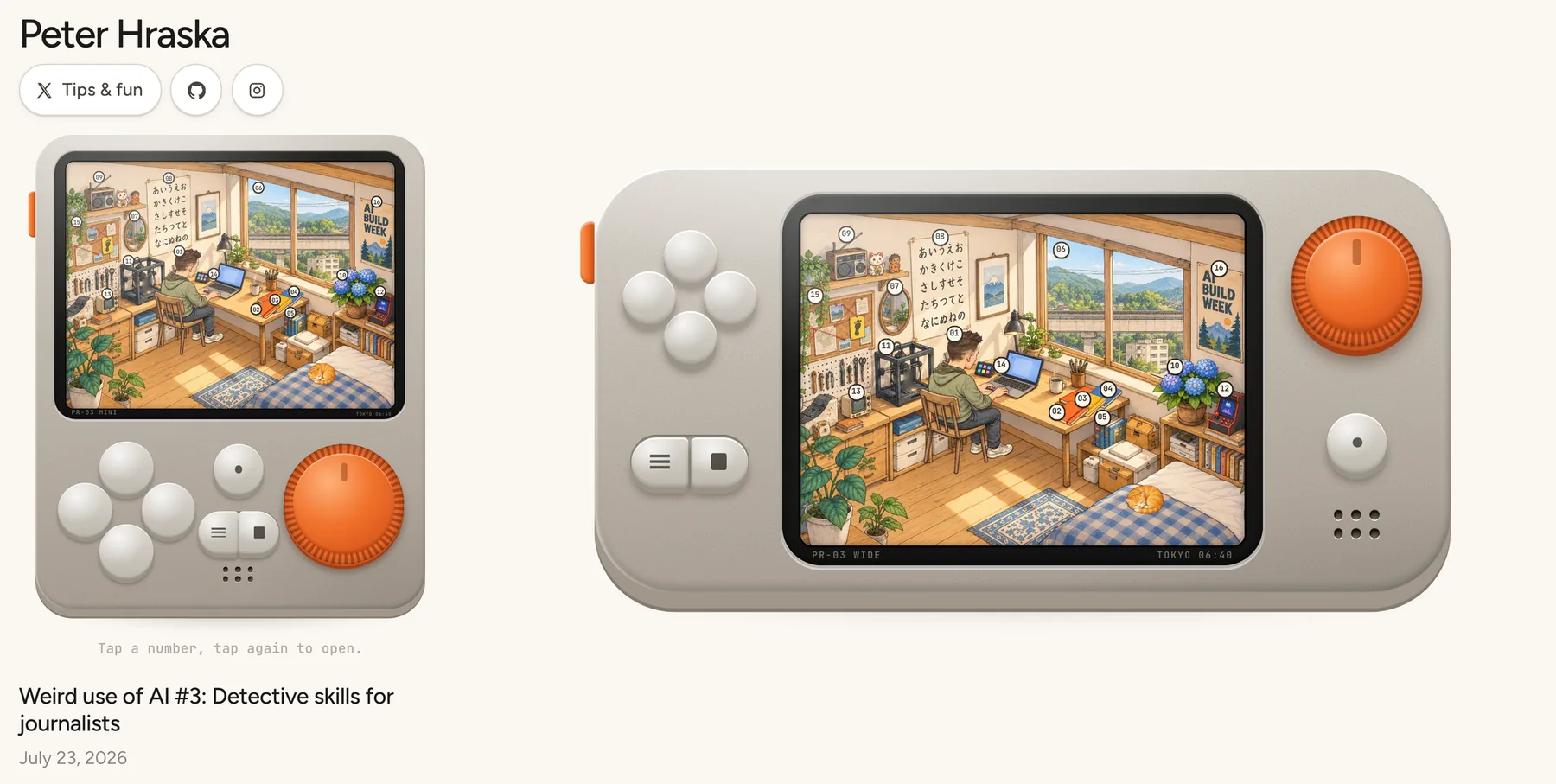
This website is a little grey handheld with my room inside it. A shinkansen passes the window every twenty seconds or so, and every numbered thing in the room opens something: the arcade, the bookshelf, me. I did not draw any of it, and I wrote very little of the code. Mostly I pointed at things.
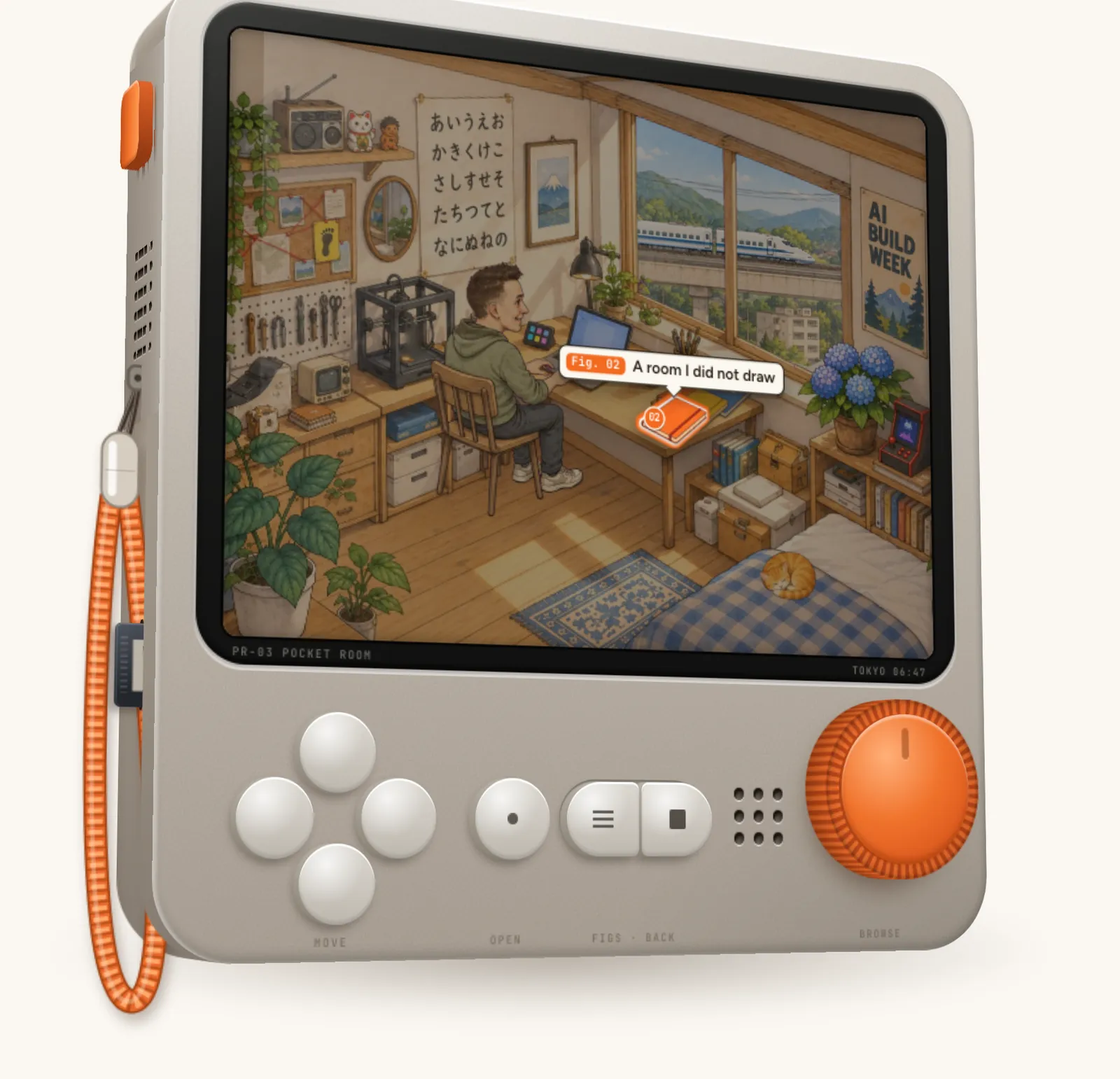
The mockup is the spec
I asked Claude for ten concepts, then ten more, and picked one: a Teenage Engineering-style device with my room on its screen. Several agents and several tries later, I got a 3D vinyl diorama. It was nice. It looked nothing like what I had picked.
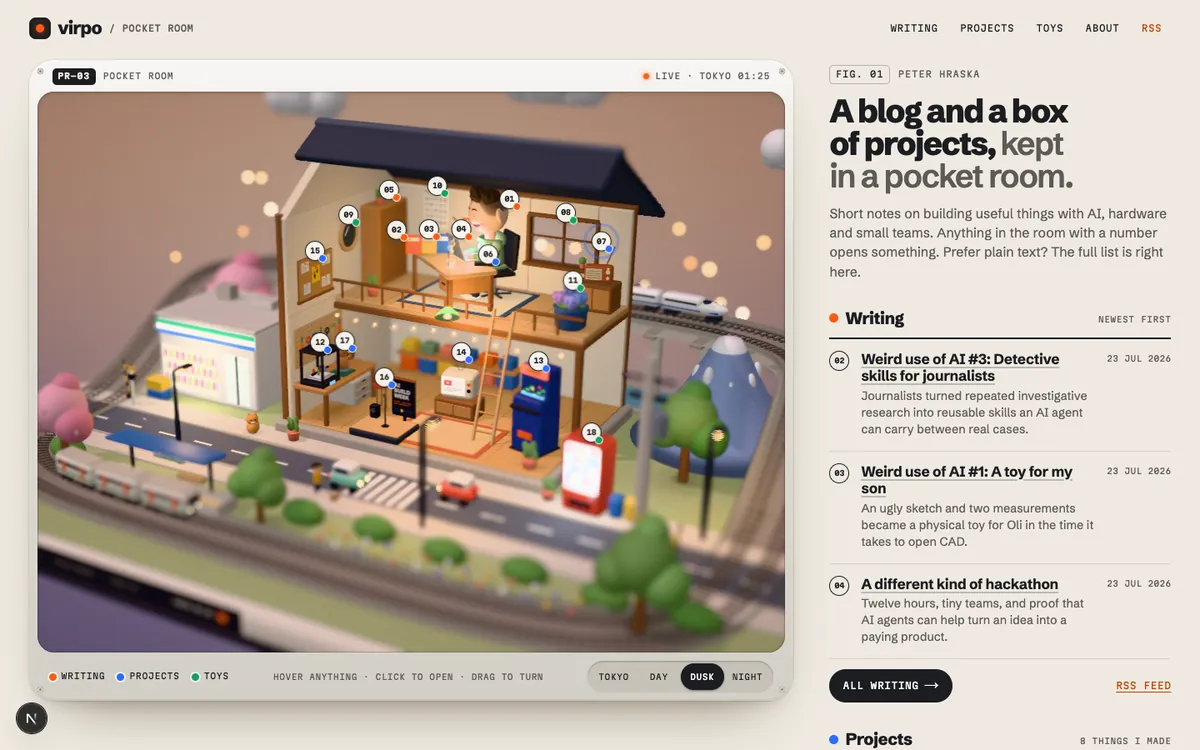 What I got.
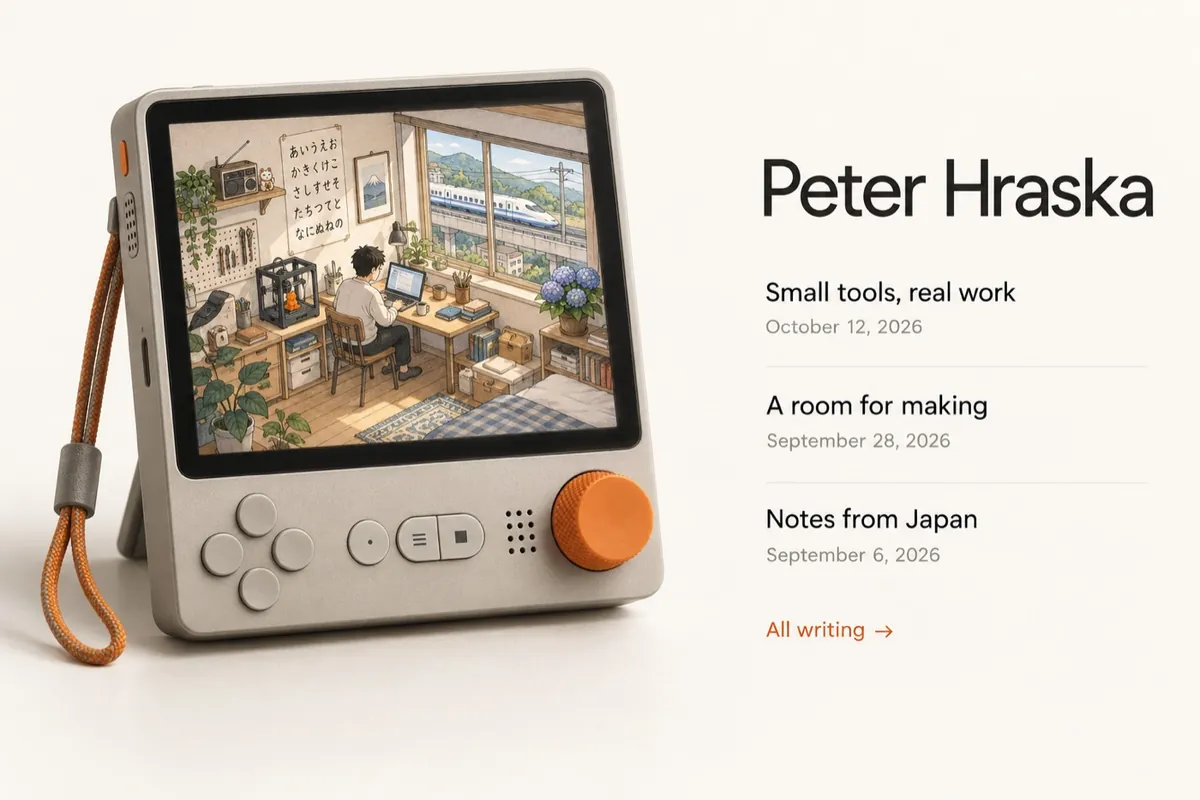 What I had picked.
So now there is a rule, saved in Claude's memory word for word: "picked mockup = visual spec; compare side by side before reporting".
Claude calls ChatGPT
Claude Code cannot paint, but ChatGPT can, and the Codex CLI puts its image tool in a terminal. So Claude runs it, attaching references with -i and piping the prompt in:
codex exec --skip-git-repo-check --dangerously-bypass-approvals-and-sandbox \
  -i art/plate-b.png -i crop-arcade.png - < prompts/card-arcade.txt
-i takes several files, so every reference goes before the lone -, or the - is read as another image. The bypass flag lets Codex save the PNG outside its sandbox, to the exact path a script is waiting on. Each image takes about fifty seconds, so Claude runs six at once and looks at every one before keeping it. The wrapper is paint.sh.
Every prompt then lives in a text file, 23 of them so far, next to the painting it made and the photo it started from:
components/room/tools/
  prompts/card-arcade.txt   what was asked
  art/cards/arcade.png      what came back
  cards.py                  how it gets onto the site
An AGENTS.md tells the next agent where all of it lives and which looks I already turned down.
One painting, cut into pieces
The whole room is one 1536 × 1024 painting. The windows are painted flat magenta, and a script turns magenta into glass, so the train can run behind it. Every object you can hover is cut out of the same painting: inside the object's box, whatever you can reach from the edge without crossing an ink line is background, and the rest is the object. The hole it leaves is painted over. That is why everything lines up exactly.
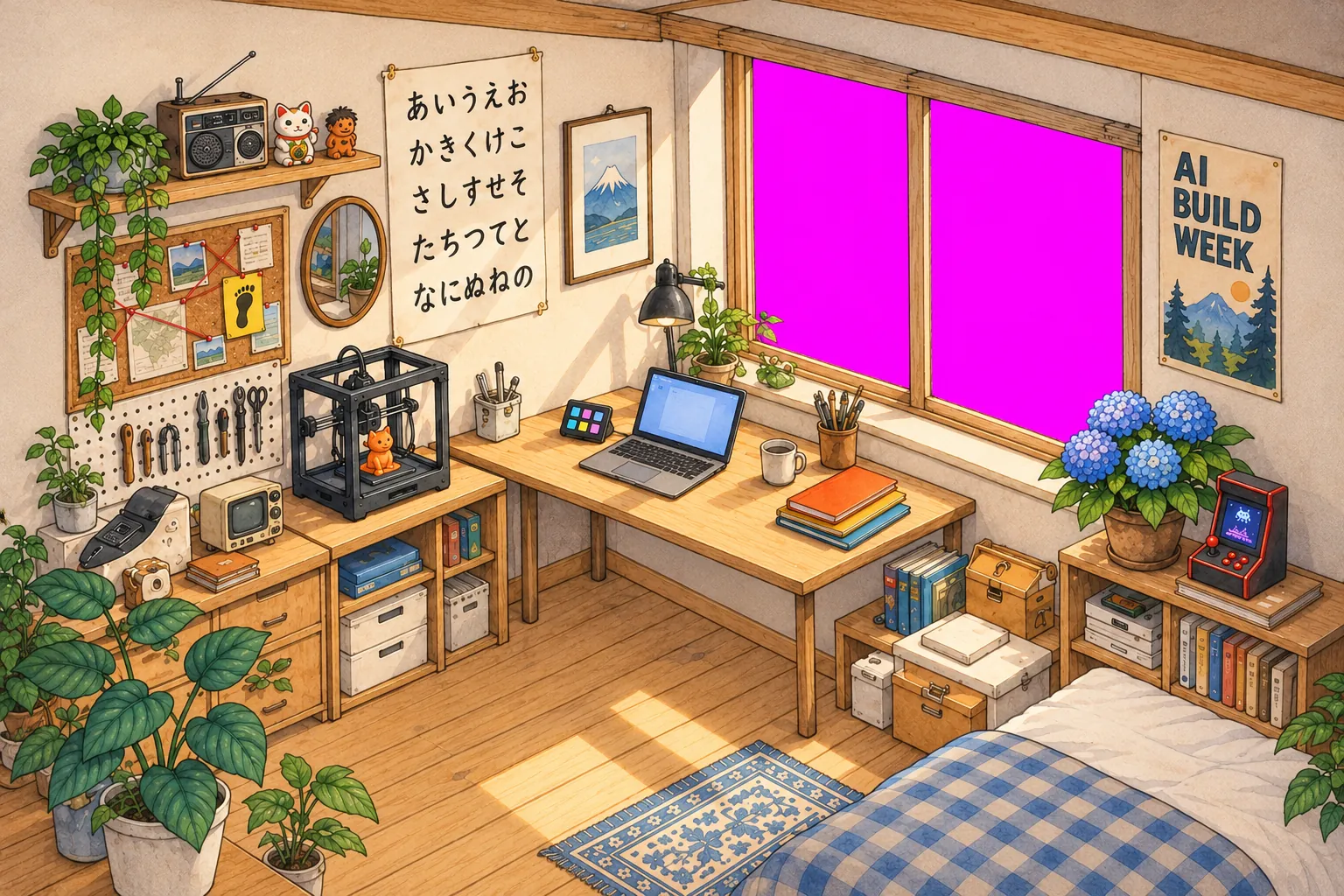
Cut-outs are small, though, and they drag bits of the room along. Opening the arcade used to show a 326-pixel crop with a plant stuck to it. So every object that opens was repainted on its own, with its cut-out as the reference.
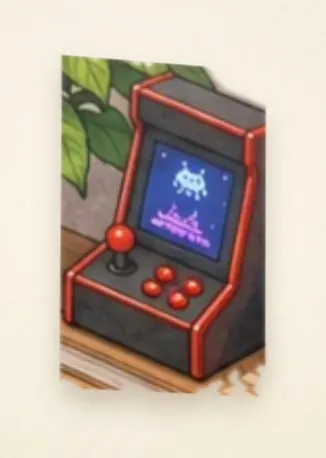 Cut from the room.
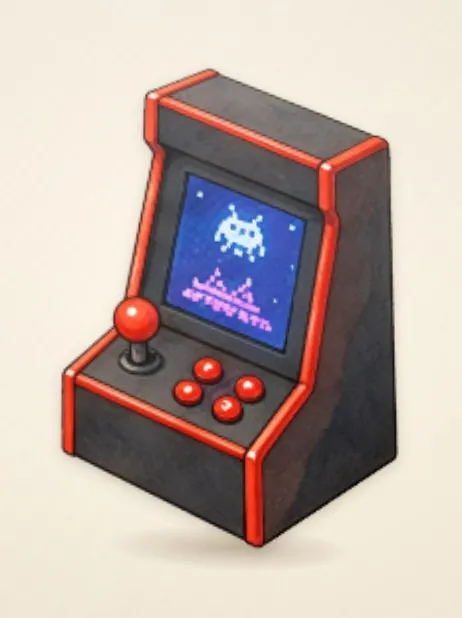 Repainted on its own.
Picking by looking
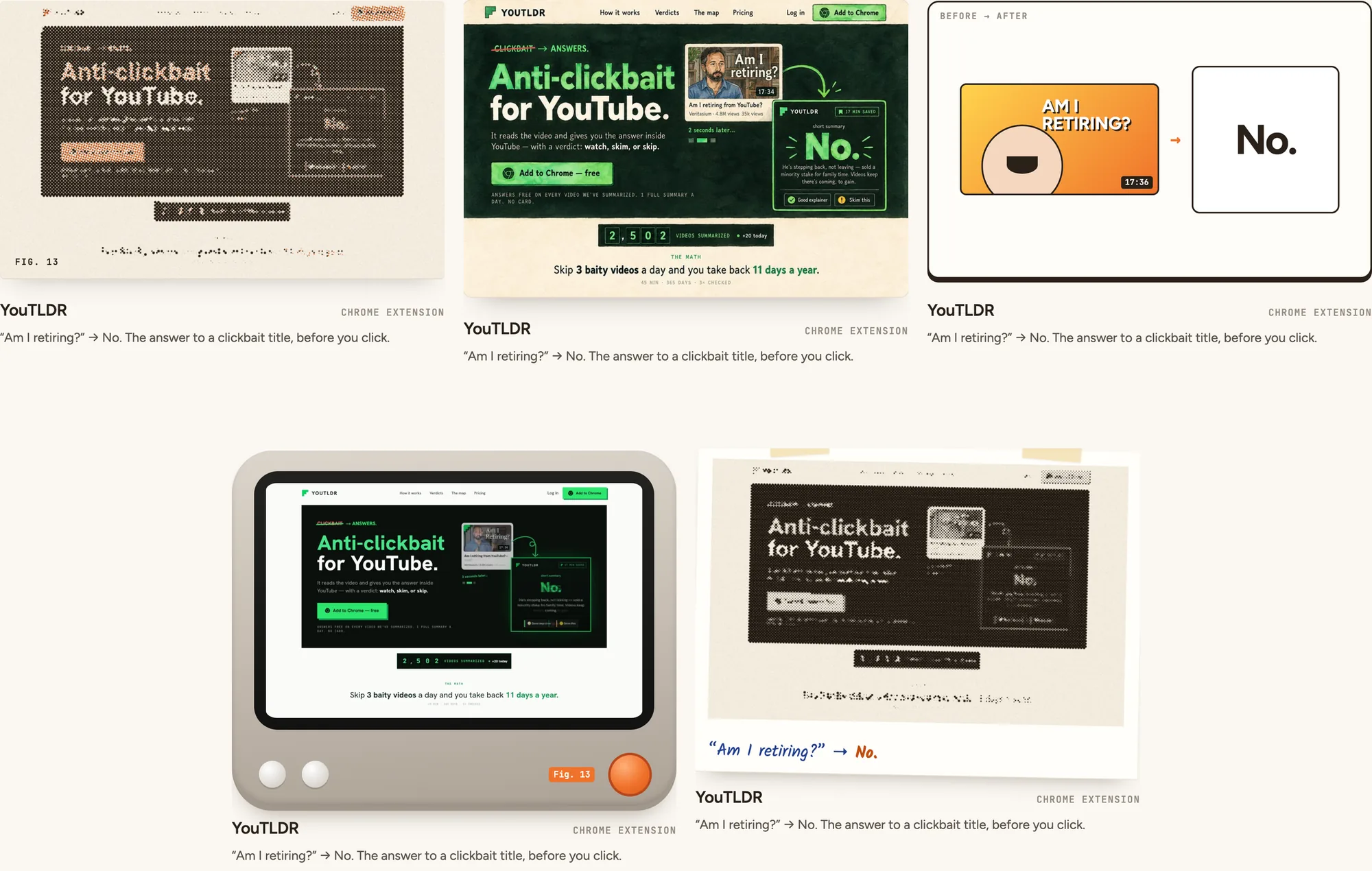
I cannot describe what I want, but I recognise it. So Claude stopped asking and built comparison pages: five ways to show the projects, then each picture from barely traced to full manga.
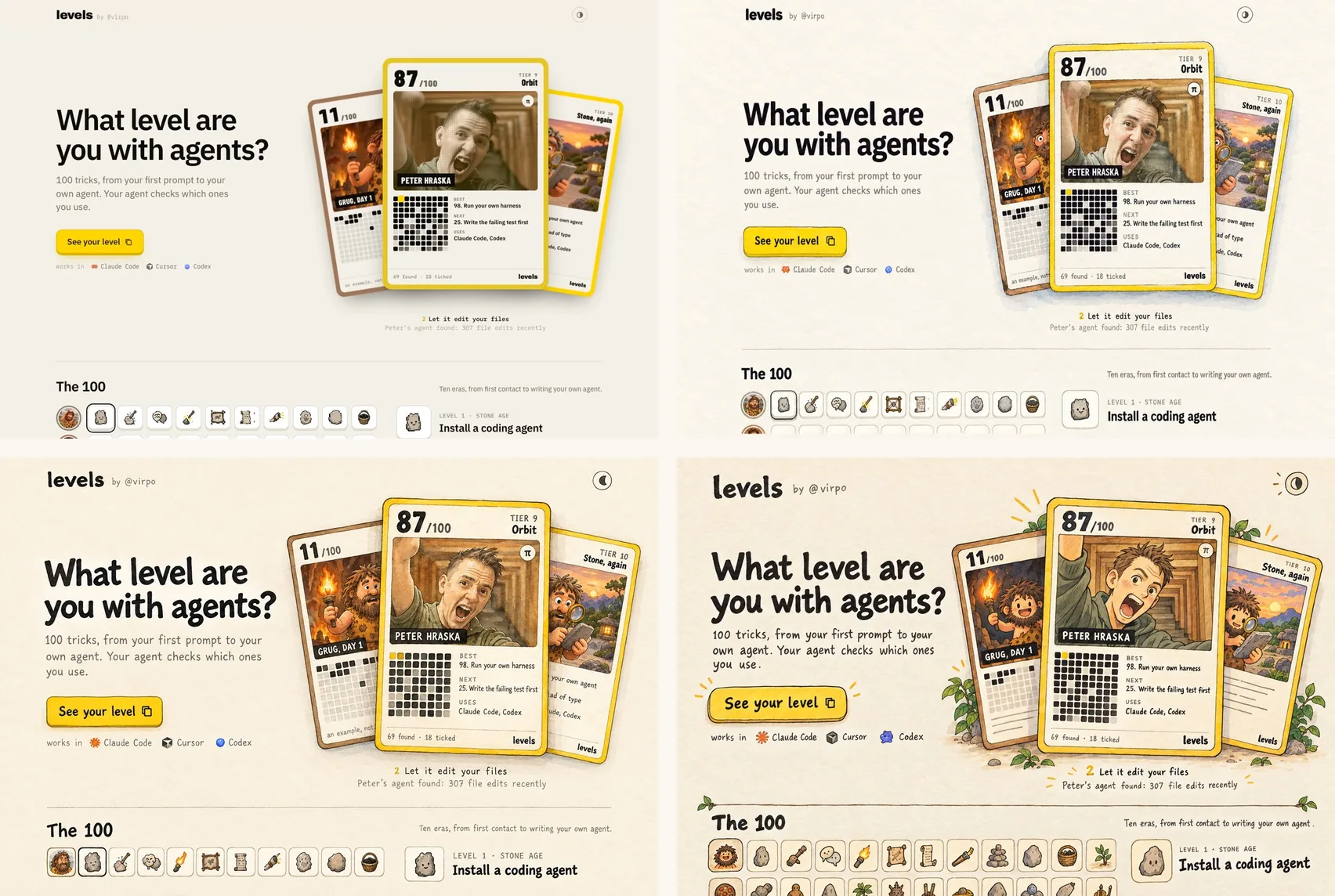
The project cards stay in pencil until you point at one. We also tried an ink drop rippling out from the cursor. Fun once, distracting the eighth time. A plain fade won.
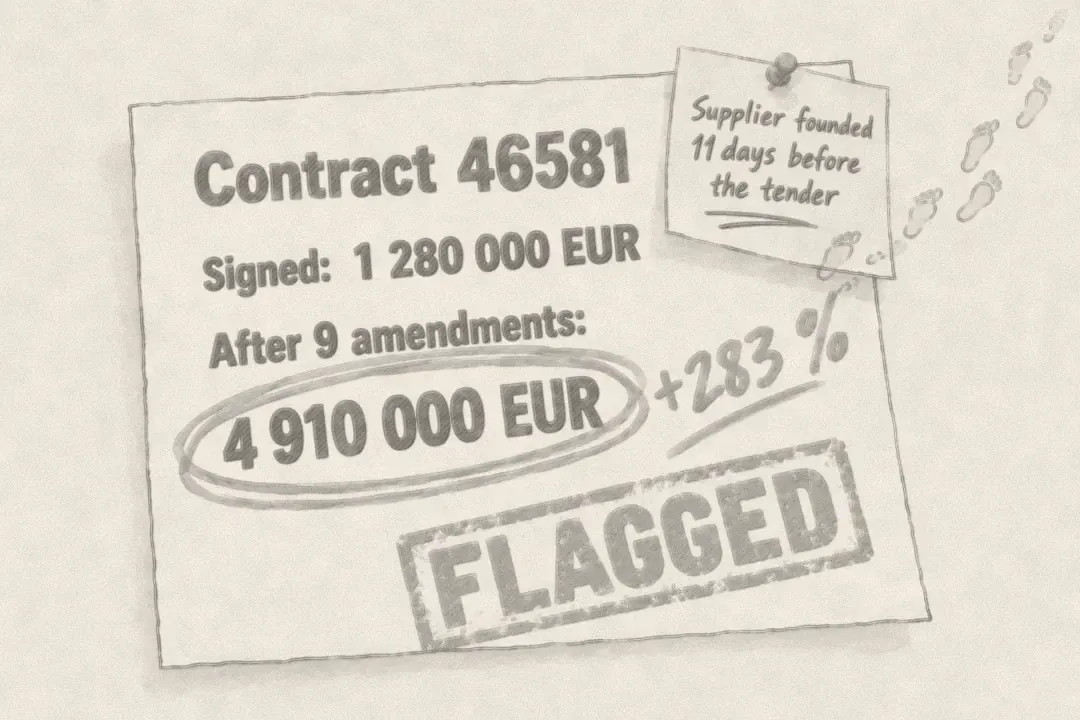 At rest.
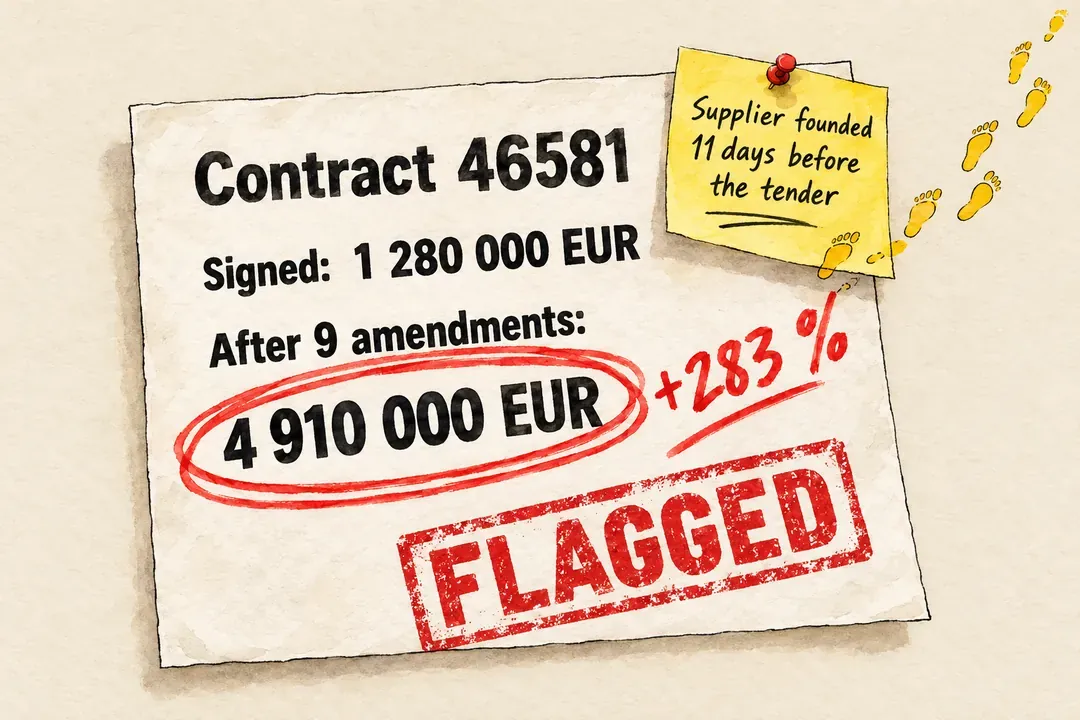 When you point at it.
Three hands and a flat screen
Mini me had three hands: the waving pose kept a spare one on my lap. Repainting only that patch and blending it back in fixed it.
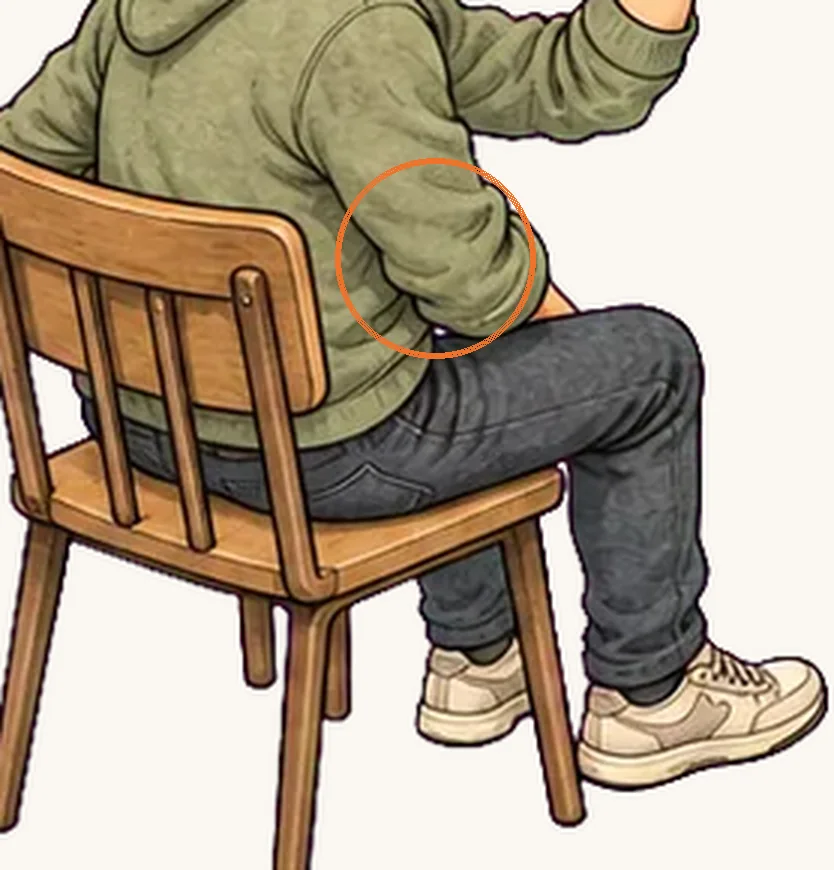 A spare arm on my lap.
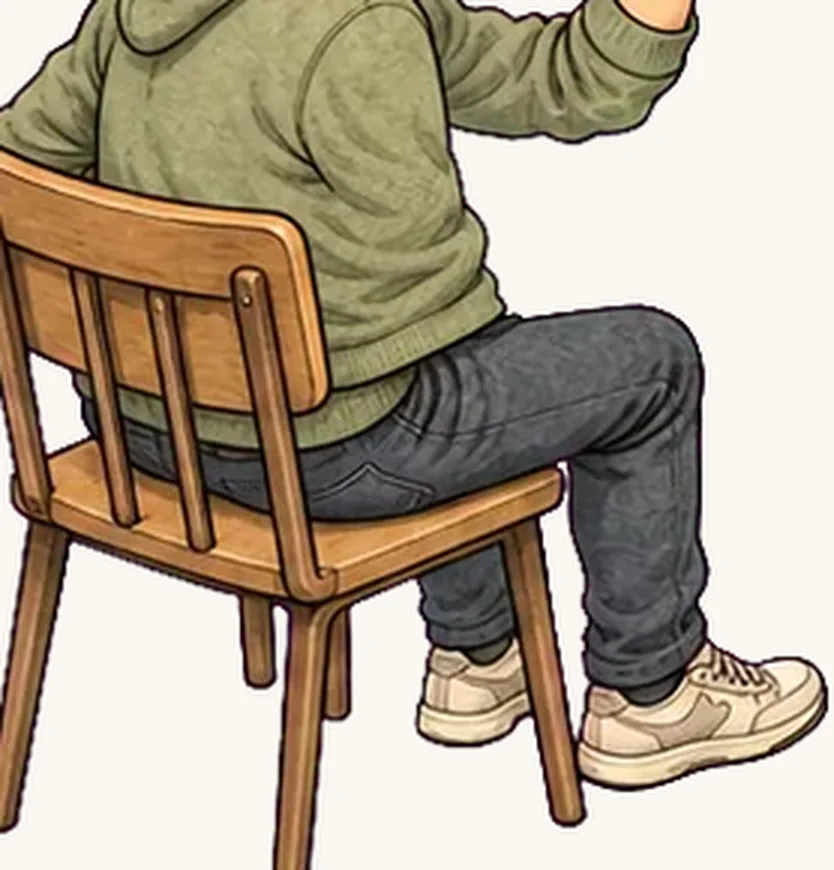 Gone.
The room is flat layers, but the device around it is 3D in plain CSS, no three.js. The knob is sixteen stacked rings, each key is a cap on a few walls, and the device leans when you move the mouse.
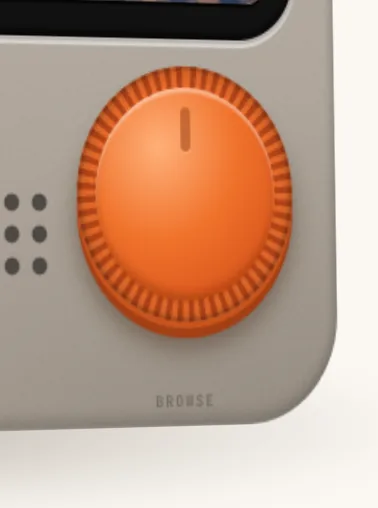 Painted on.
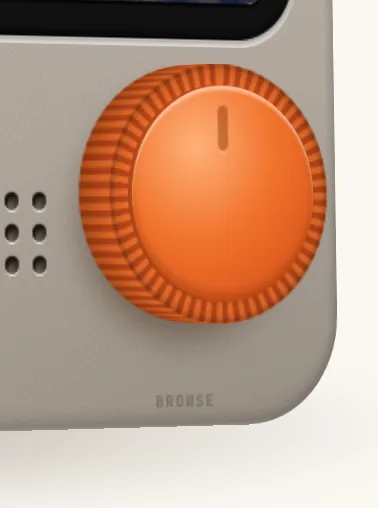 Sixteen rings.
That broke the mouse. The screen sat in exactly the same plane as the face, so the browser sometimes hit the face instead of the room, and half the objects stopped answering. translateZ(0.02cqw) on the screen, a hair off the face, fixed it.
The agents made things; choosing is the part I am still learning. Everything is in the repo, prompts included, if you want to make your own.